1. Project Background
艺术家驻地(Artist-in-Residence,简称AiR)是指某机构邀请艺术家,在一定时间内在新环境进行考察、研究和创作。艺术家通过驻地跨越文化差异,在不同的文化历史背景下生活,与当地人交流,从而得到新的灵感,为创作提供养分。艺术家驻地是艺术生产的孵化机制,也是建立联结,积累在地经验的契机,一种当代游牧式生活方式。
Artist in Residence (AiR) refers to an institution inviting artists to conduct investigations, research, and creation in a new environment for a certain period of time. Through living in different cultural and historical backgrounds, communicating with locals, artists gain new inspirations for their creations. Artist in Residence is not only an incubation mechanism for art production, but also an opportunity to establish connections and accumulate local experience, a contemporary nomadic lifestyle.
艺术家驻地的全球化热潮始于上世纪90年代,世界上诸多非中心城市和乡村开始了多元而丰富的艺术家驻地计划。艺术家驻地成为当地当代艺术的催化剂,并成为连接当地艺术与全球艺术世界不可或缺的因素。2000年后,随着互联网和国际航线遍布全球,艺术家驻地也成为艺术机制的一种补充。在地观察与研究、跨文化交流、社群分享、成果展示,这一系列围绕驻地开展的工作成为艺术家职业生涯中不可或缺的一部分。
The globalization trend of artist residency began in the 1990s, when many non central cities and rural areas around the world began diverse artist residency programs. The artist’s residence has become a catalyst for the local art scene and an indispensable factor in connecting local art with the global art world. After 2000, with the Internet and international routes spreading all over the world, artists’ residences have also become a supplement to the art mechanism. Local observation and research, cross-cultural communication, community sharing and workshop during the residency have become an indispensable part of an artist’s career.
在云南,艺术家驻地作为本地当代艺术生态极具活力的部分,在过去二十余年发挥着重要作用,它从一开始便与本地各艺术机构的日常工作紧密结合在一起。这些艺术机构通过设立驻地项目引入众多国际艺术家,也推介本地艺术家去到世界各地工作,艺术家驻地成为云南当代艺术生态基础设施的一部分具有不可替代的价值。2000年以来,在云南常年主持驻地项目的有上河车间、TCG诺地卡文化中心、丽江工作室、苔画廊这些艺术机构或艺术家自营空间,也有由市政参与资助的昆明-苏黎世友好城市艺术家互换计划,这些项目在过去二十余年为云南与世界各地之间的艺术交往起到了重要的推动作用。直到2020新冠大流行的到来,国际流动陷入停顿。2023大流行结束,艺术家驻地在云南也重新出发。
In Yunnan, artist residencies have formed a dynamic and vital component of the local contemporary art scene, playing a significant role over the past two decades. From the outset, these residency programs have been closely integrated into the daily operations of local art institutions. By establishing residency initiatives, these organizations have not only brought numerous international artists to Yunnan but also facilitated opportunities for local artists to work abroad, making artist residencies an irreplaceable part of the region’s contemporary art infrastructure.
Since 2000, several art institutions and artist-run spaces have consistently hosted long-term residency programs in Yunnan, including UP-River Space, TCG Nordica Cultural Center, Lijiang Studio, and Tai Project etc. Additionally, municipally supported initiatives—such as the Kunming–Zurich Sister Cities Artist Exchange Program—have further enriched this landscape. Over the past twenty-plus years, these projects have played a crucial role in fostering artistic exchange between Yunnan and the global art community.
This momentum was abruptly interrupted by the onset of the COVID-19 pandemic in 2020, which brought international mobility to a halt. However, with the pandemic subsiding in 2023, artist residency programs in Yunnan have resumed and are once again moving forward.
近年来,国内艺术家驻地项目持续活跃,并且更多关注到多维度的人地关系,艺术家驻地也从早年对世界的张望与连接转向对地方的凝视与游走。在艺术生态依旧匮乏、分散和脆弱的地方,艺术家驻地项目已经成为本地艺术生态重要的组成部分,它的存在就像流动的基础设施一般,连接着本地与世界,保持着一定的艺术生产与行动力,让人们保持好奇。它们分布在不同时期的艺术现场,分布在不同地方的工作逻辑中,供人们扩散、迁徙和交换,以实现文化艺术的多样性。
In recent years, artist residency programs in China have remained consistently active, with growing attention paid to the multidimensional relationships between people and place. Moving beyond their earlier focus on looking outward toward the world and establishing global connections, residencies have increasingly turned inward—toward a close, attentive gaze at local contexts and embodied engagement through walking, wandering, and situated practice.
In regions where the art ecosystem remains scarce, fragmented, and fragile, artist residency projects have become essential components of the local cultural fabric. Their presence functions like a mobile infrastructure: connecting the local with the global, sustaining artistic production and agency, and nurturing curiosity among communities. These residencies are dispersed across diverse artistic sites and temporalities, embedded within distinct local working logics, enabling diffusion, migration, and exchange—ultimately fostering the richness and diversity of cultural and artistic expression.
2. About Fuxian AiR
“抚仙艺术驻地计划”(简称“抚仙AiR”)始于2023年夏,由在云南常年主持国际艺术家驻地,自己也广泛参与国际驻地的策展人罗菲与位于澄江的大知闲闲艺术民宿(Grand Corner Art Hotel)联合发起。
Fuxian Artist-in-Residence (Fuxian AiR) was launched in 2023 by Luo Fei, a curator who has hosted international artist-in-residence programs in Yunnan for many years, and Grand Corner, a boutique art hotel on the shore of Fuxian Lake.
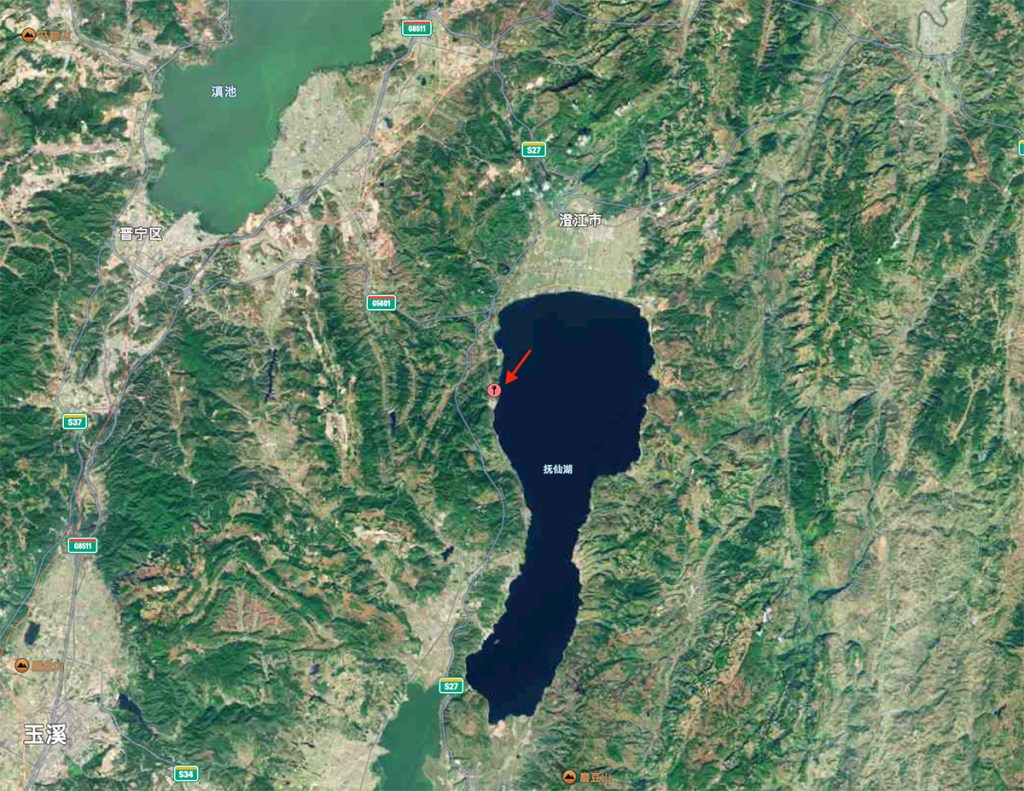
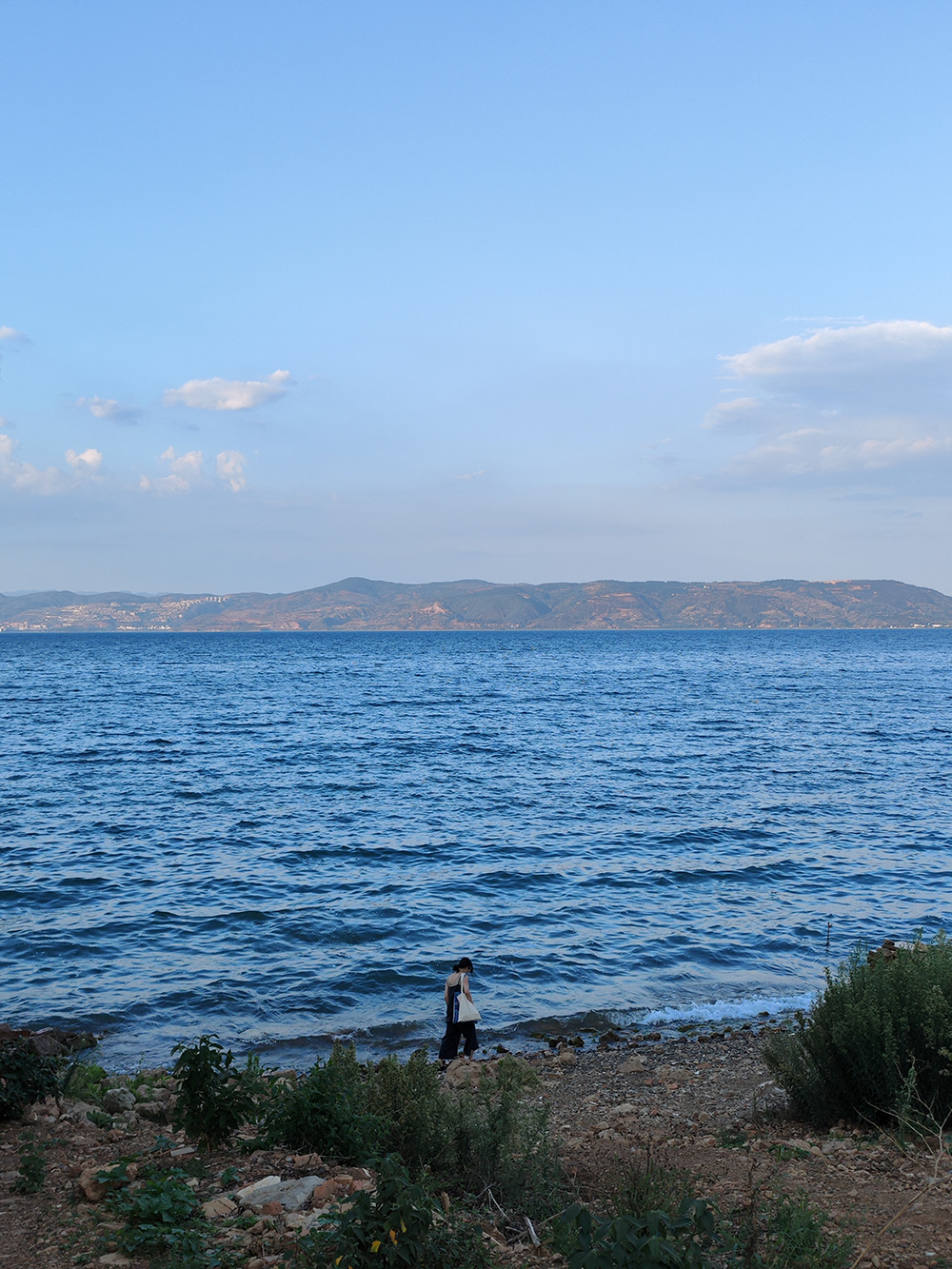
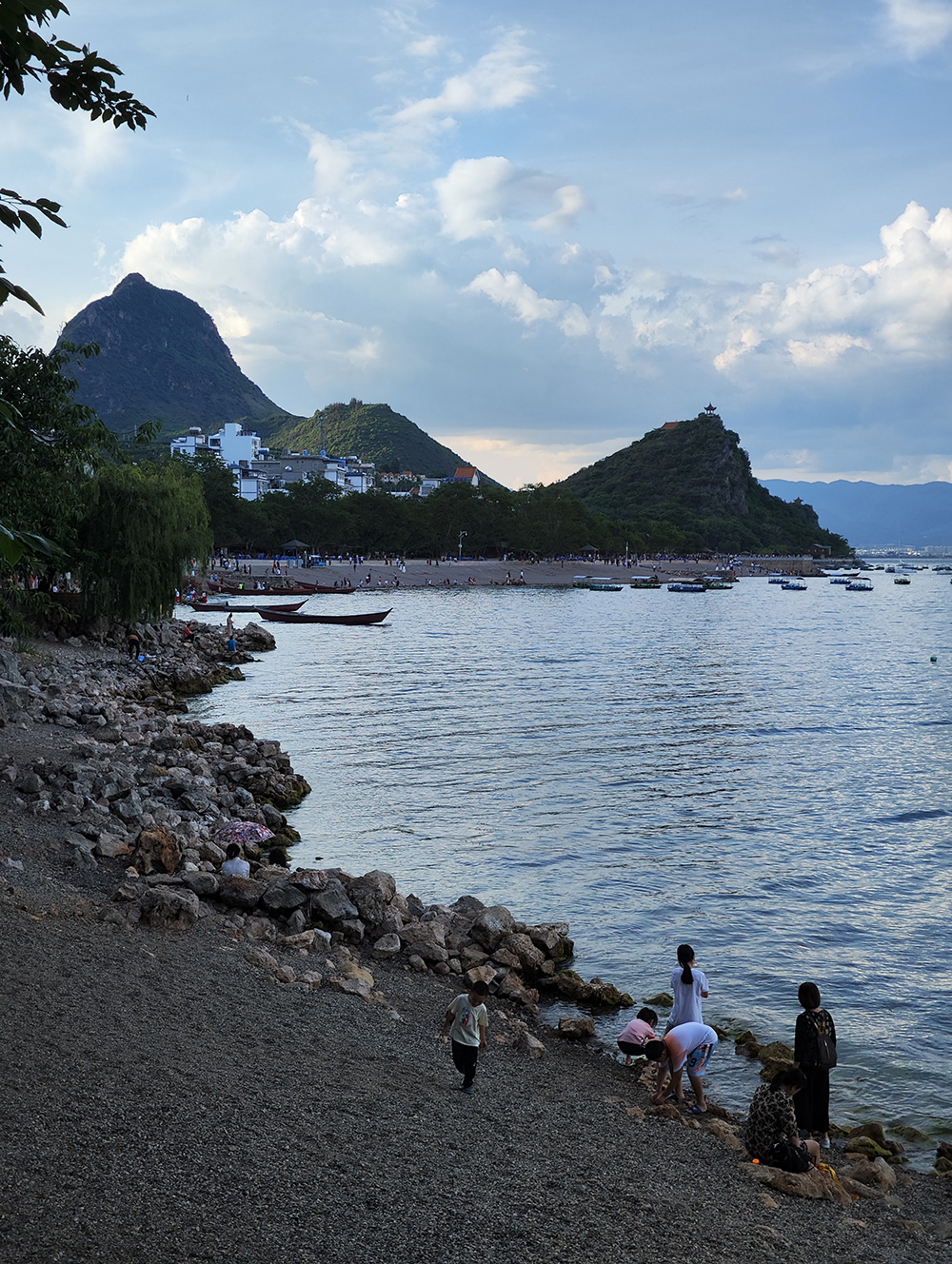
“抚仙AiR”位于云南省玉溪市澄江县禄充村,与昆明主城区相距约70公里,离澄江县城约20公里。澄江历史上曾是路、府、郡县治地,有着丰富的文化旅游资源,这里有世界自然遗产澄江化石地帽天山、“滇中第一山”梁王山和国内第二深内陆淡水湖泊抚仙湖。抚仙湖湖水清澈,明代旅行家徐霞客《徐霞客游记》中记载:“滇山惟多土,故多壅流而成海,而流多浑浊,惟抚仙湖最清”。禄充村位于抚仙湖西岸,澄江西部,背山面湖,古树成荫,人杰地灵,这里是抚仙湖沿线水边目前唯一保留的自然渔村,也是抚仙湖沿岸著名的旅游景区。
Fuxian AiR is located in Luchong Village, Chengjiang county, Yuxi City, Yunnan Province—approximately 70 kilometers from downtown Kunming and about 20 kilometers from Chengjiang county seat. Historically, Chengjiang served as the administrative center, endowing it with rich cultural and tourism resources. The area is home to the UNESCO World Natural Heritage Site—the Chengjiang Fossil Site at Maotianshan Hill, the “First Mountain of Central Yunnan” — Liangwang Mountain, and Fuxian Lake — the second-deepest inland freshwater lake in China.
Fuxian Lake is renowned for its exceptional clarity. As the 17th-century traveler Xu Xiake noted in The Travel Diaries of Xu Xiake: “Mountains in Yunnan are mostly earthen, thus rivers often dam up to form lakes—but their waters are usually turbid. Only Fuxian Lake is crystal clear.”
Luchong Village sits on the western shore of Fuxian Lake, in western Chengjiang. Nestled between mountains and the lake, shaded by ancient trees, the village is celebrated for its natural beauty and cultural vitality. It is currently the only remaining traditional fishing village along the Fuxian Lake shoreline and a well-known scenic destination within the lake’s tourism belt.
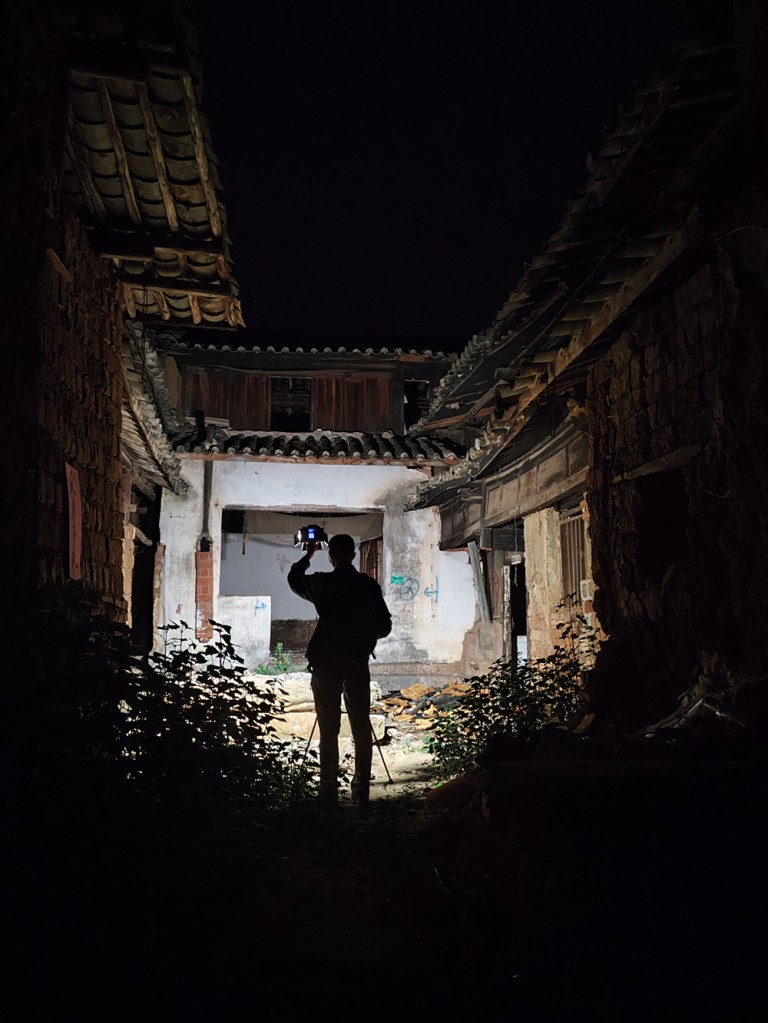
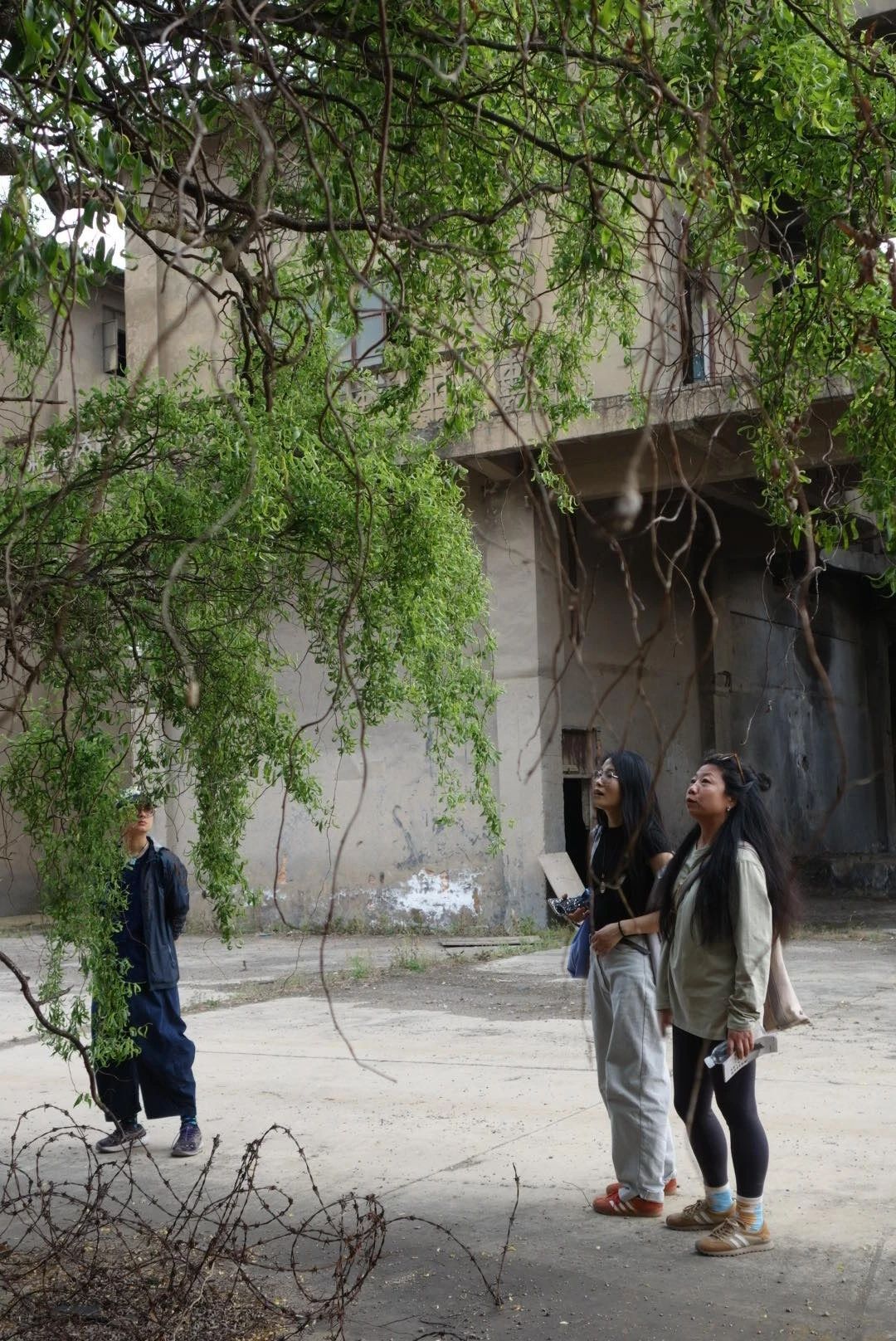
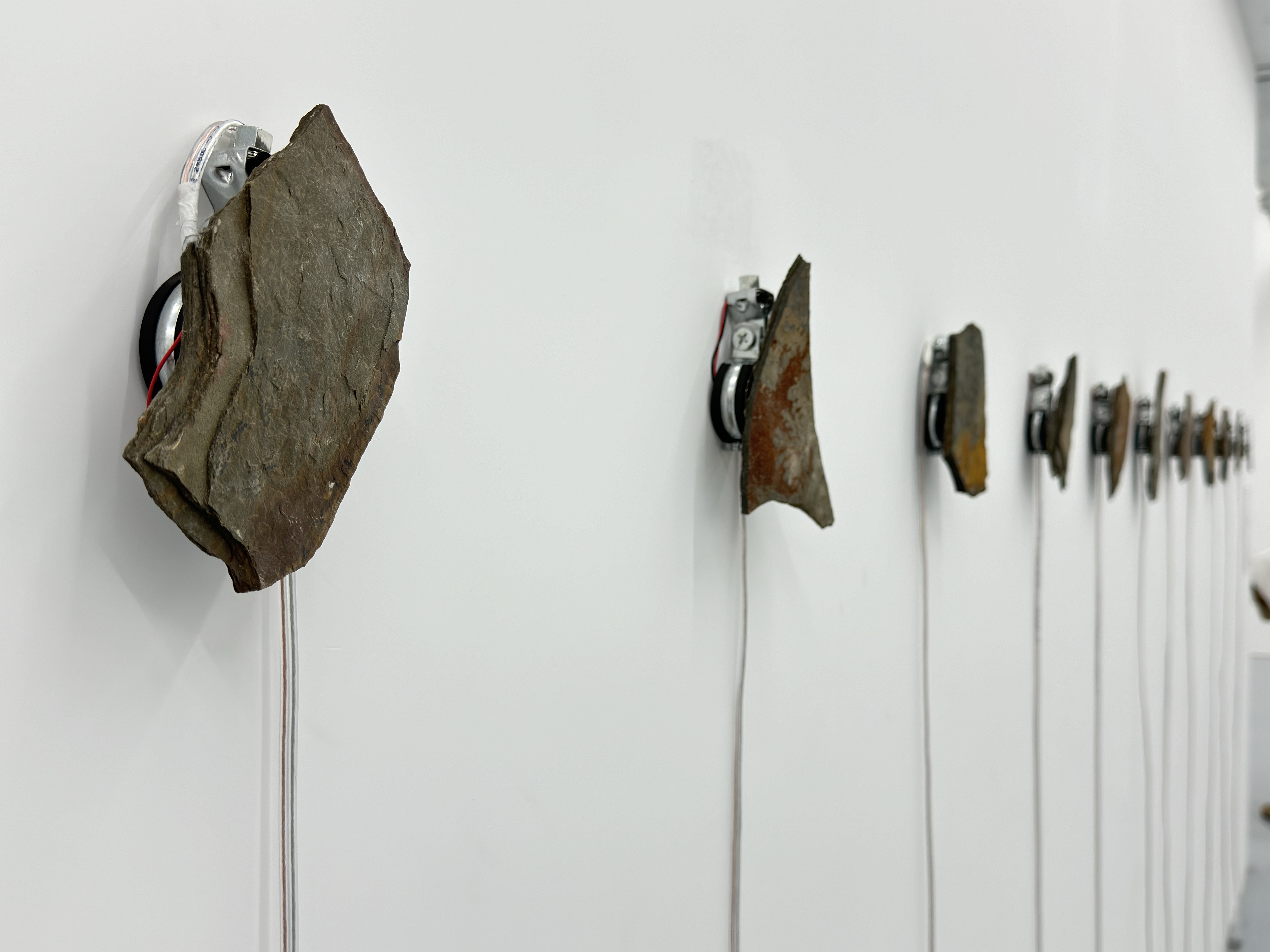
“抚仙AiR”希望通过邀请富有驻地创作热忱的艺术家来到澄江禄充村驻地,对澄江及抚仙湖地区的历史、地理、文化、人文环境、生态环境等方面开展挖掘与梳理,通过在地游走、考察、交流和创作,进入地方的微观日常,遭遇并塑造来自地方的经验与想象。在这里,自然、人文和寒武纪生命大爆发的化石遗迹都将为艺术家提供丰富灵感。“抚仙AiR”以驻地作为方法,延展并重塑多面向的在地经验,在口口相传的民间故事里埋下新的故事。
Fuxian AiR aims to invite artists passionate about residency-based creation to Luchong Village in Chengjiang, where they will explore and reflect upon the region’s history, geography, culture, human environment, and ecology surrounding Chengjiang and Lake Fuxian. Through on-site walking, field research, dialogue, and artistic creation, participants will immerse themselves in the microcosm of local daily life, encountering—and shaping—experiences and imaginaries rooted in this place. Here, nature, human culture, and the fossil sites of the Cambrian explosion all serve as rich sources of inspiration for artists. Using residency as a methodology, Fuxian AiR seeks to extend and reimagine multifaceted local experiences, creating new stories by Fuxian AiR guests.
3、Residence Arrangment
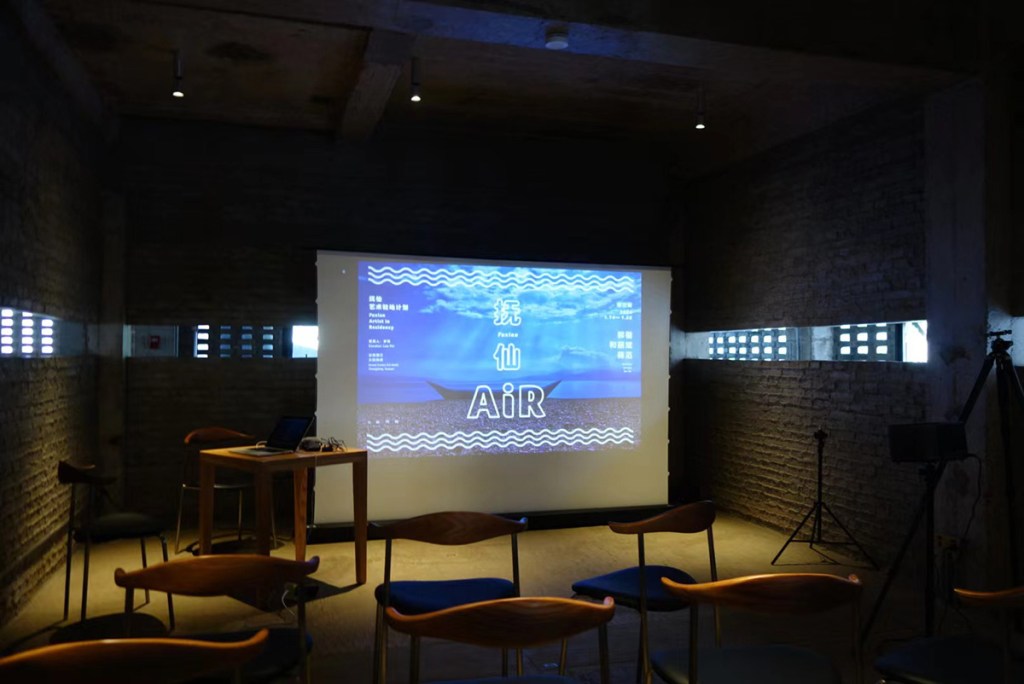
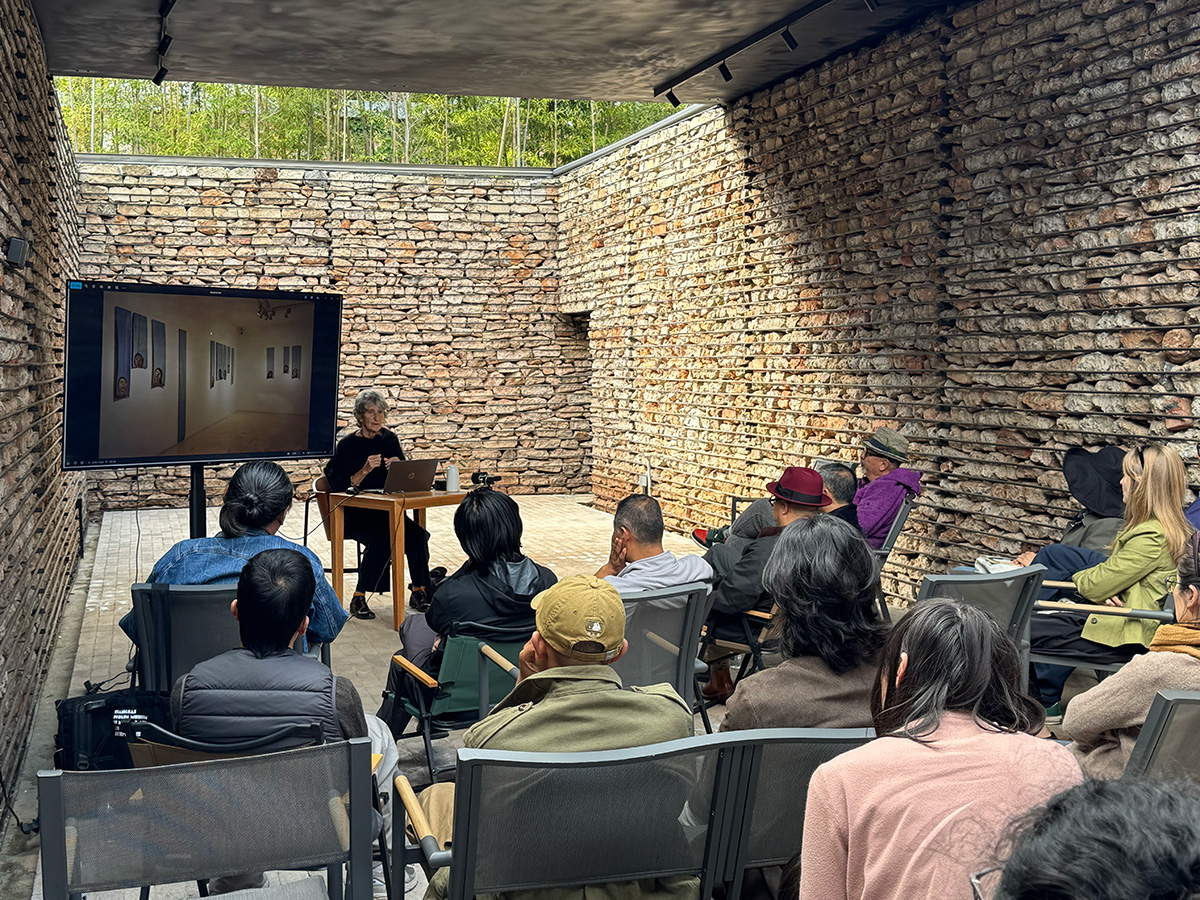
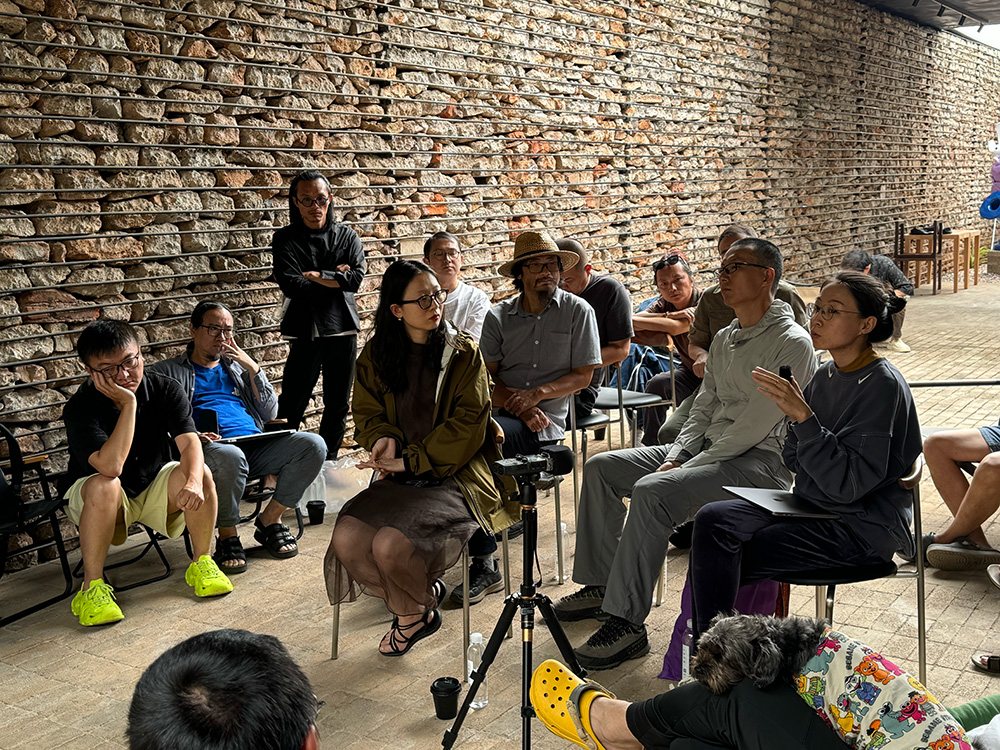
“抚仙AiR”由策展人负责邀请艺术家,该项目的固定计划是每季度邀请三位艺术家同时驻地,每期驻地时间为两周。策展人与艺术家们共同行走、考察和讨论,在共同驻地中相互激发灵感,“抚仙AiR”注重群体的共学品格。“抚仙AiR”鼓励艺术家在延续自身工作路径的同时,在调研和创作中寻求人与地方、作品与地方的连接。需要说明的是:
The curator is responsible for inviting artists to Fuxian AiR, and the project currently plans to invite three artists to reside at the same time every quarter, with each residency lasting for two weeks. During this time, the curator walks, explores, and engages in discussions alongside the artists, fostering a dynamic environment where ideas cross-pollinate and creative inspiration emerges collectively. Fuxian AiR places strong emphasis on collaborative learning and the shared intellectual ethos of the group.
While encouraging artists to continue developing their individual artistic practices, the program also invites them to actively seek meaningful connections—between people and place, and between artworks and their local context—through field research and creation. It should be noted that:
- 艺术家在驻地期间的工作需独立完成或艺术家相互协助完成;
- Artist needs to be work independently or with mutual assistance from other artists during the residency;
- 艺术家需要参加分享会或工作坊分享自己以往的工作和此次驻地的成果;
- Artist needs to participate artist talk or workshop to share his/her past works and also the achievements of this residency;
- 关于驻地期间的日常安排,主办方为每位艺术家提供优质客房、日常工作餐以及驻地期间的其他工作便利;
- Regarding the daily arrangements during the residency period, Grand Corner provides each artist with high-quality guest room, daily work meals, and other work conveniences during the residency;
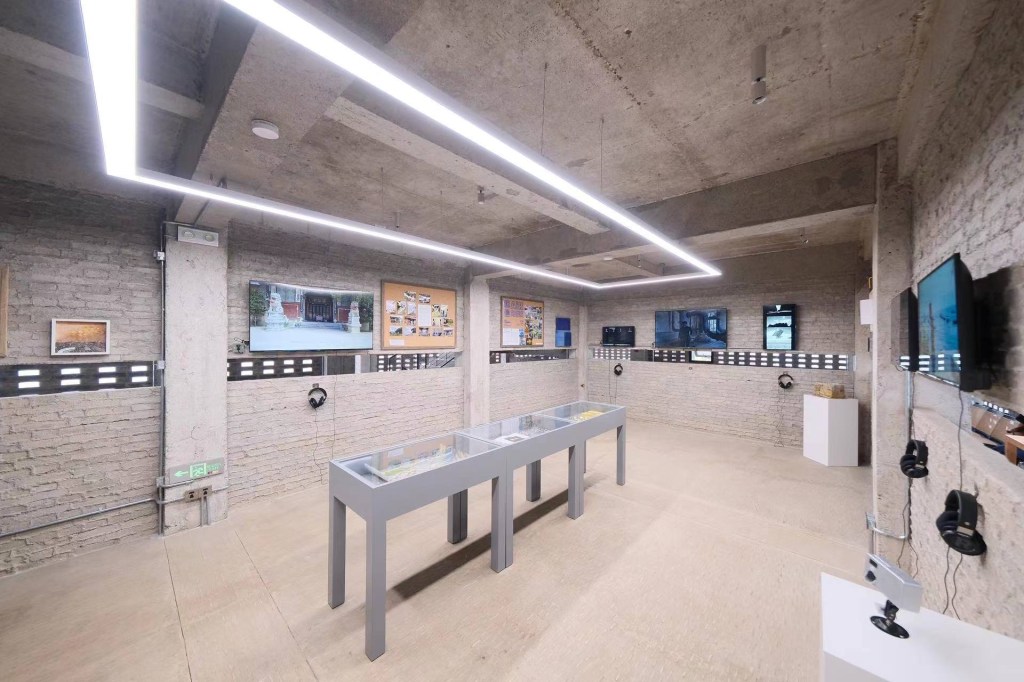
- 酒店里有丰富的公共空间和角落可供使用,但不提供专门的工作室;
- There are many public spaces and corners available here for artists, but no dedicated studios are provided;
- 交通方面,禄充村当地没有频繁的公共交通,主办方和策展人尽可能为驻地艺术家提供本地出行便利。如有条件,我们建议艺术家自驾前往驻地,在外出考察时会更加独立和便捷。
- Transportation, there are no public transportation or shared bicycles available in Luchong Village. The organizer and curator could provide local travel convenience for the resident artist as much as possible. If possible, we suggest that local artists drive to residence by themselves, as it will be more independent and convenient for them to conduct field trips.
4. Previous Residencies
*以下链接指向大知闲闲微信公众号 Link to WeChat Posts
Vol.15抚仙AiR:莫妮卡和她的朋友们(2025.12)
Vol.15 Fuxian AiR: Monica Dematté and her friends (2025.12)
Vol.14 抚仙AiR:吕丽蓉、李勇、周建胜(2025.10)
Vol.14 Fuxian AiR: Lv Lirong, Li Yong, Zhou Jiansheng (2025.10)
Vol.13 抚仙AiR:一次野生×抚仙AiR(2025.8)
Vol.12 抚仙AiR:爱丽丝·德斯(法)(2025.6)
Vol.12 Fuxian AiR: Alice Des (Fr)(2025.6)
Vol.11抚仙AiR:鸿雁、良亮人、童文敏(2025.4)
Vol.11 Fuxian AiR: Hong Yan, Liang Liangren, Tong Wenmin (2025.4)
Vol.10 抚仙AiR:王孝益、马杰、白雪娟(2024.12)
Vol.10 Fuxian AiR: Wang Xiaoyi, Ma Jie, Bai Xuejuan (2024.12)
Vol.09 抚仙AiR:莫妮卡·德玛黛(2024.11)
Vol.09 Fuxian AiR: Monica Dematté (2024.11)
Vol.08 抚仙AiR:厉槟源(2024.10)
Vol.08 Fuxian AiR: Li Binyuan (2024.10)
Vol.07 抚仙AiR:李有杰、苏家喜、张华(2024.9)
Vol.07 Fuxian AiR: Li Youjie, Su Jiaxi, Zhang Hua (2024.9)
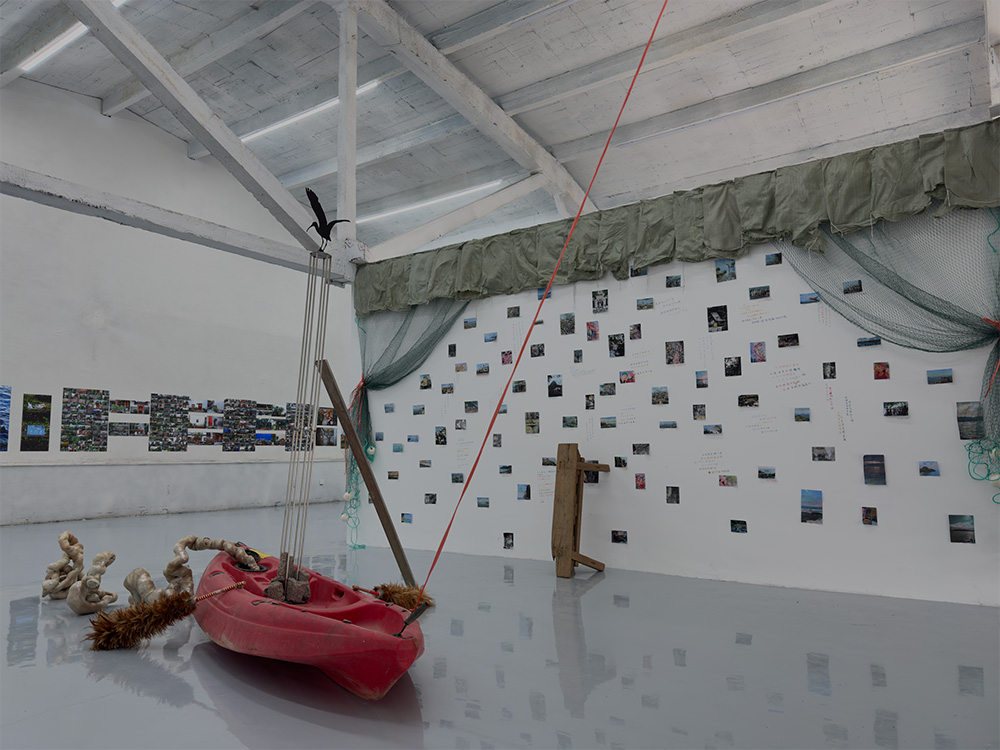
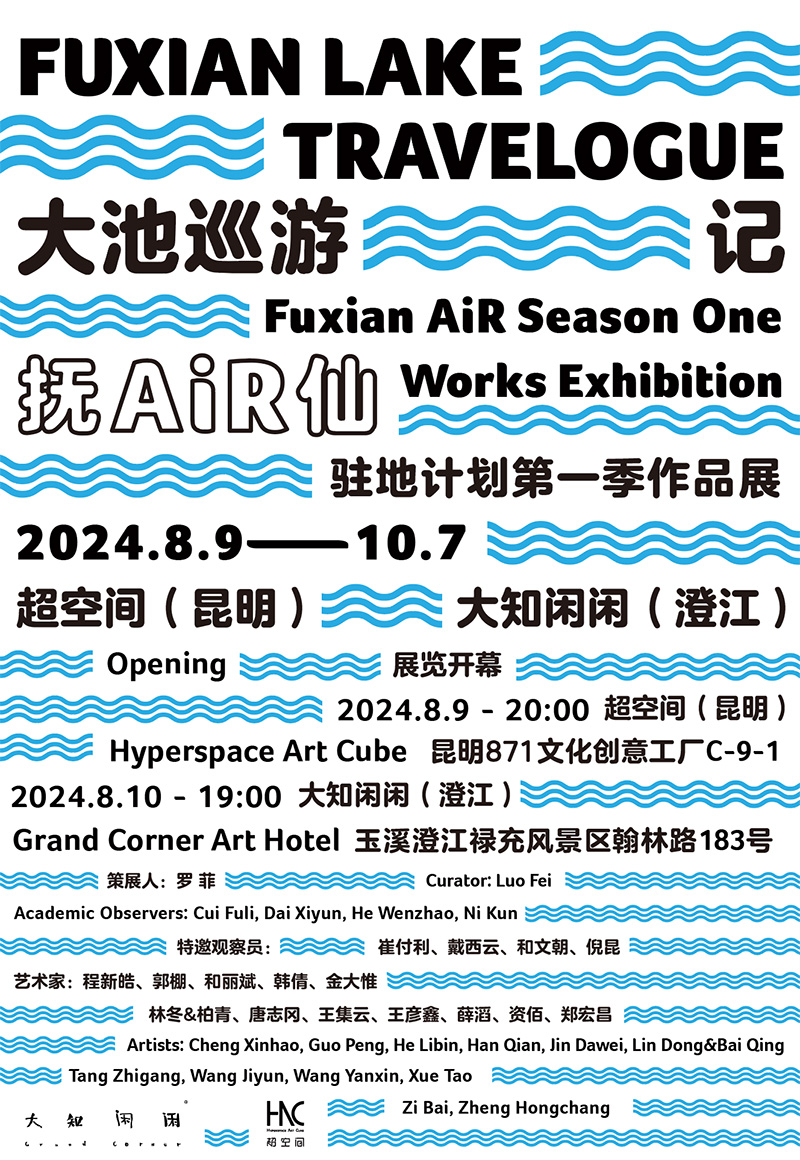
Vol.06 抚仙AiR:崔付利、戴西云、和文朝、倪昆(“大池巡游记”观察员2024.8)
Vol.06 Fuxian AiR: Cui Fuli, Dai Xiyun, He Wenzhao, Ni Kun (Exhibition observers, 2024.8)
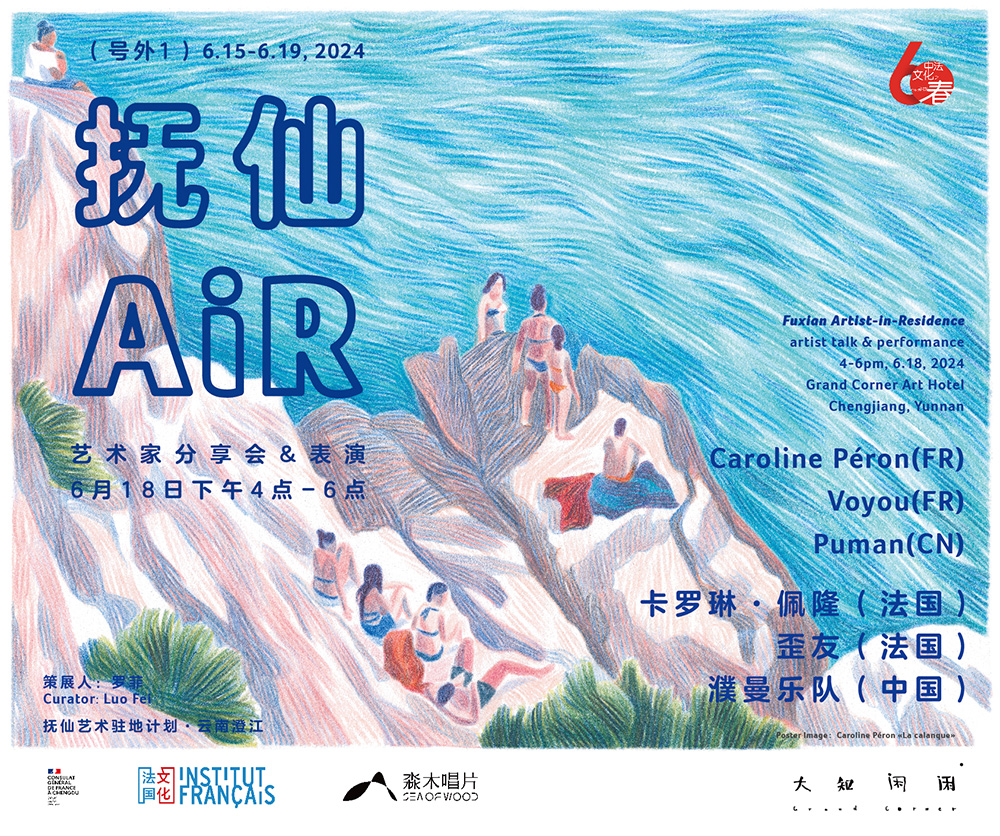
Vol.05 抚仙AiR×中法文化之春:Caroline Péron(法)、Voyou(法)、濮曼乐队(2024.6)
Vol.05 Fuxian AiR × Croisements: Caroline Péron, Voyou, Puman (2024.6)
Vol.04 抚仙AiR:柏青&林冬、王集云、王彦鑫(2024.4)
Vol.04 Fuxian AiR: Baiqing & Lindong, Wang Jiyun, Wang Yanxin (2024.4)
Vol.03 抚仙AiR:郭棚、和丽斌、薛滔(2024.1)
Vol.03 Fuxian AiR: Guo Peng, He Libin, Xue Tao (2024.1)
Vol.02 抚仙AiR:资佰、金大伟、郑宏昌(2023.10)
Vol.02 Fuxian AiR: Zi Bai, Jin Dawei, Zheng Hongchang (2023.10)
Vol.01 抚仙AiR:唐志冈、韩倩、程新皓(2023.7)
Vol.01 Fuxian AiR: Tang Zhigang, Han Qian, Cheng Xinhao (2023.7)
5. About curator and Grand Corner
罗菲,策展人,他是云南众多艺术展览、驻地项目的组织者和参与者,具有丰富的策展及国际跨文化交流经验,罗菲曾任TCG诺地卡艺术中心艺术总监和丽江工作室“江湖”项目总监,他策划的项目在国际国内广泛展出。他近年来持续关注全球流动与剧变下的地方,积极推动社群的在地实践与对话。
Luo Fei, a curator, is an organizer and participant in numerous art exhibitions and residency projects in Yunnan. He has rich experience in curation and international cross-cultural exchange. Luo Fei has been the artistic director of TCG Nordica Art Center and project director at Lijiang Studio. His projects have been widely exhibited both internationally and domestically. In recent years, he has continued to pay attention to places under global mobility and upheaval, actively promoting local practice and dialogue in communities.
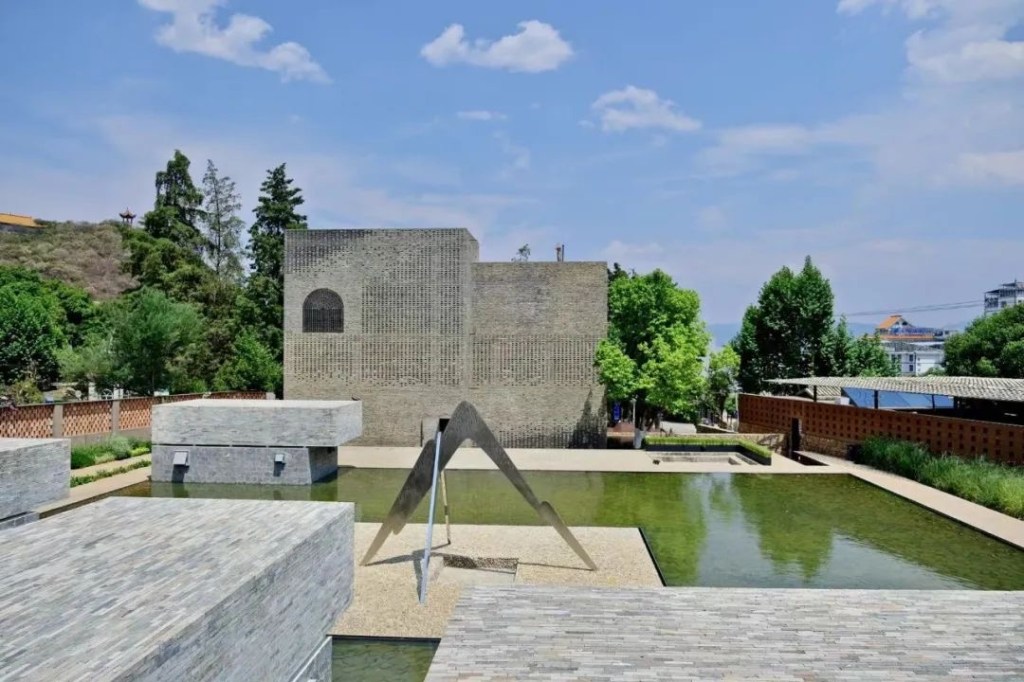
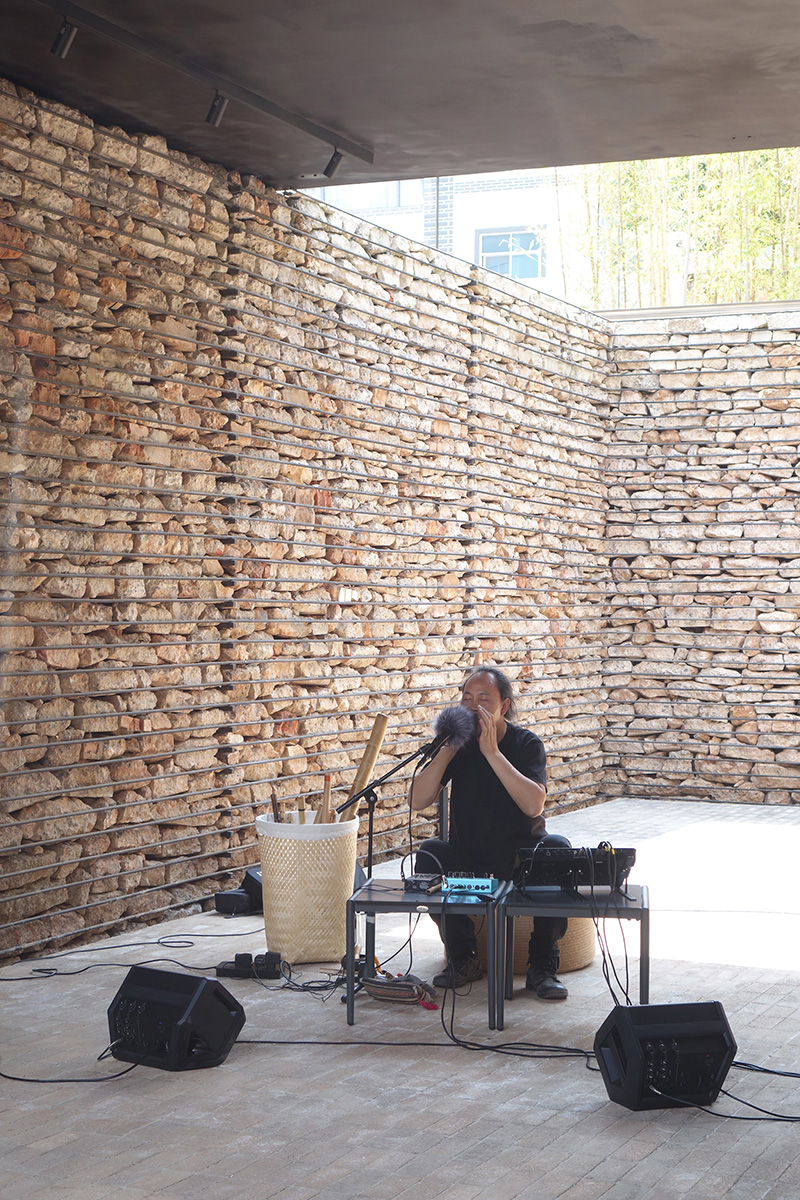
大知闲闲是一个注重艺术体验的自有民宿品牌,坐落于云南澄江市抚仙湖畔,园区项目由著名建筑师阮晓舟设计,糅合了当地人文元素与现代风格,曾获2022 A+Awards建筑与立面奖项。在打造优质住宿体验的同时,大知闲闲为展示才华、交流思想提供平台。
Grand Corner (大知闲闲 Dazhi Xianxian) is a self owned hotel brand that emphasizes artistic experience. It is located on the bank of Fuxian Lake in Chengjiang, Yunnan Province of China. The hotel was designed by renowned architect Ruan Xiaozhou, blending local cultural elements with modern style. It has won the 2022 A+Awards for Architecture and Facade. While creating a high-quality accommodation experience, Grand Corner also provides a platform for showcasing talents and exchanging ideas.
 Luo Fei