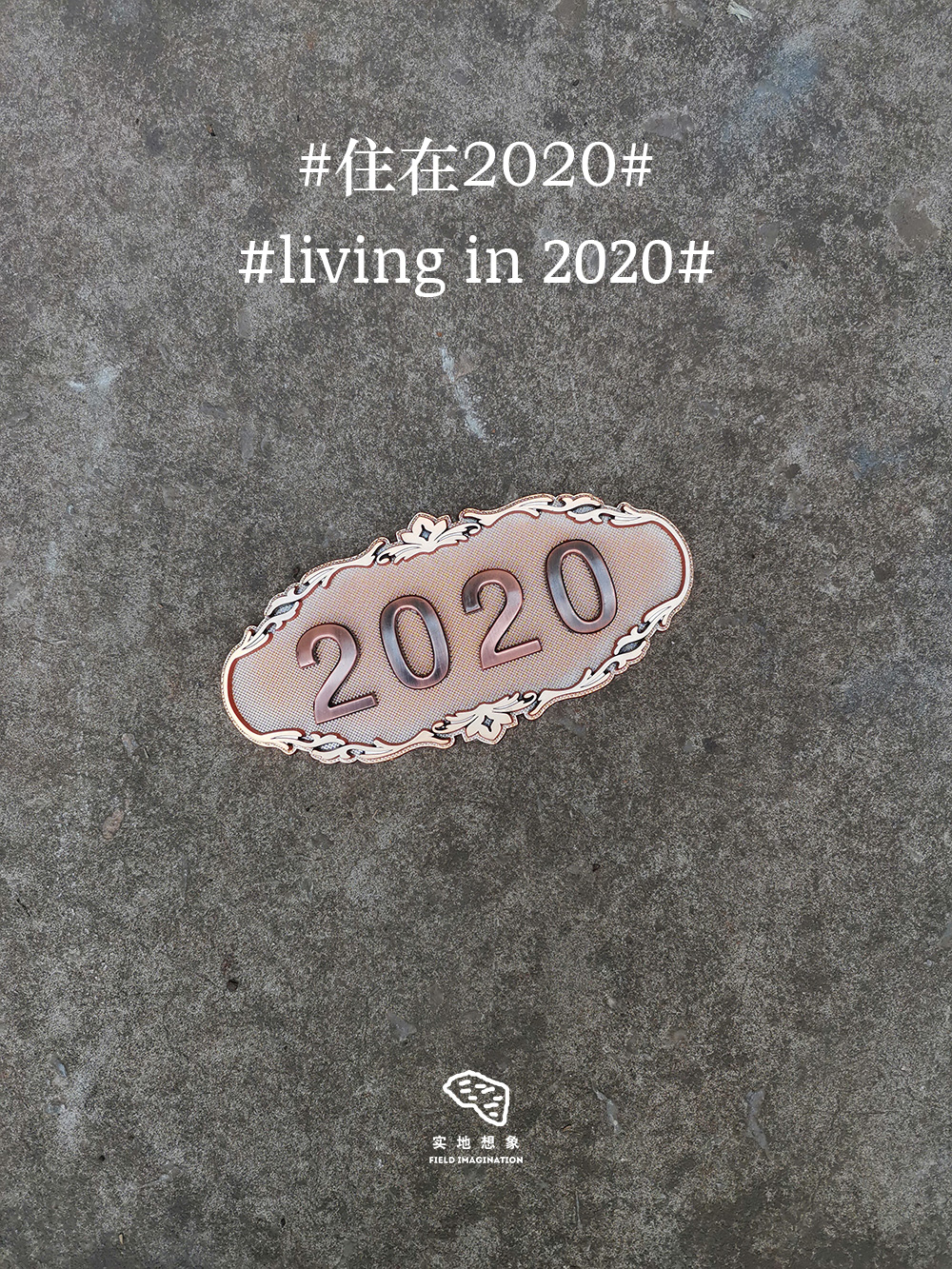
“住在2020”系列访谈
按:2020爆发的新冠大流行已经成为二十一世纪全人类遭遇的重大挫折,我们曾经认为理所当然的经济增长和全球化变得极为不确定。这种不确定性不止在宏观经济、政治和社会层面发生作用,在个人心理层面也同样发生着令人担忧的影响。突发、应急、停顿、封锁、焦虑、怀疑甚至失去生命……减少旅行,减少预期……人类正在经历并尝试适应一种由病毒全球化带来的新状况,互联网成为唯一安全的沟通方式乃至替代现实,然而一套基于算法的技术也正在塑造另一个强大的具有自我扩张意识的系统。还有紧迫的气候问题,贫富差距问题……这不会是一个短暂的时刻,病毒正在教会人类去适应一种“新生活”。只是这一切的惶恐与不安在2020年被新冠大流行放大在我们面前。
作为时间的2020即将过去,我们如何去描述去回顾这样一个具有节点性的一年,在最微观最具体的个人日常生活层面,我们如何让生活继续……作为空间的2020,我们已经被迫卷入其中并感受到它的扩张。它也已然成为一个我们停留其中的地方,一个被重新命名的异乡。当我们旅居其中,我们如何保持节奏,如何保持优雅,如何保持信心,如何从我们所在的地方重新发现可能性……我们能做的或许只是去学会适应2020及后2020时代的到来……
“住在2020”系列访谈是“实地想象”自媒体在不平凡的2020年末与生活在各地的艺术界朋友们的联络与问候,通过回顾性的描述,分享他/她们在后疫情时期在各地遭遇的日常生活和可能推进的新近作品,希望由此可能勾勒出这个特殊时期人们具有怎样坚韧的品格、丰富的心灵世界和创造力。
“住在2020”系列访谈策划/编译:罗菲
“Living in 2020” Interview Series
Note: The COVID-19 pandemic that began in 2020 has become a major setback for humanity in the twenty-first century. Economic growth and globalization, which we once took for granted, have become increasingly uncertain. This uncertainty is not only affecting economies, politics, and society, but also our individual lives and states of mind.
Sudden changes, emergencies, pauses, lockdowns, anxiety, doubt, and even the loss of life. Less travel, fewer expectations. We are experiencing and trying to adapt to a new situation brought about by the global spread of a virus. The internet has become the only safe way to communicate, and in some cases a substitute for reality. At the same time, algorithm-based technologies are shaping another powerful system with its own drive to expand. There are also urgent issues such as climate change and the growing gap between rich and poor. This will not be a short-lived moment. The virus is teaching us to adapt to a “new life.” Yet the fear and uncertainty surrounding all of this were brought sharply into view by the pandemic in 2020.
As 2020, as a period of time, comes to an end, how can we describe and look back on a year that has marked such a significant turning point? At the most immediate and personal level of everyday life, how do we keep life going?
As a space, 2020 is something we have been forced to enter and experience as it expands around us. It has become a place where we stay, a foreign land that has been given a new name. While living in this place, how do we keep our rhythm, our grace, and our confidence? How can we rediscover possibilities from wherever we are? Perhaps all we can do is learn to adapt to 2020 and what comes after it.
The “Living in 2020” interview series was initiated by Field Imagination at the end of this extraordinary year, as a way of staying in touch with and sending greetings to friends in the art world living in different parts of the world. Through their retrospective accounts, the interviews share their everyday experiences during the pandemic and the recent works they have been developing in different places. We hope these conversations can offer a glimpse of the resilience, richness of inner life, and creativity that people have shown during this unusual period.
“Living in 2020” interview series
Curated and compiled by Luo Fei
以下为访谈目录(链接目前指向微信公众号):
#住在2020# Prithvi Shrestha(尼泊尔)
#住在2020# Barbro Raen Thomassen(挪威)

